
How the Human Self Requires Fragmentation to Have a Psychological Life
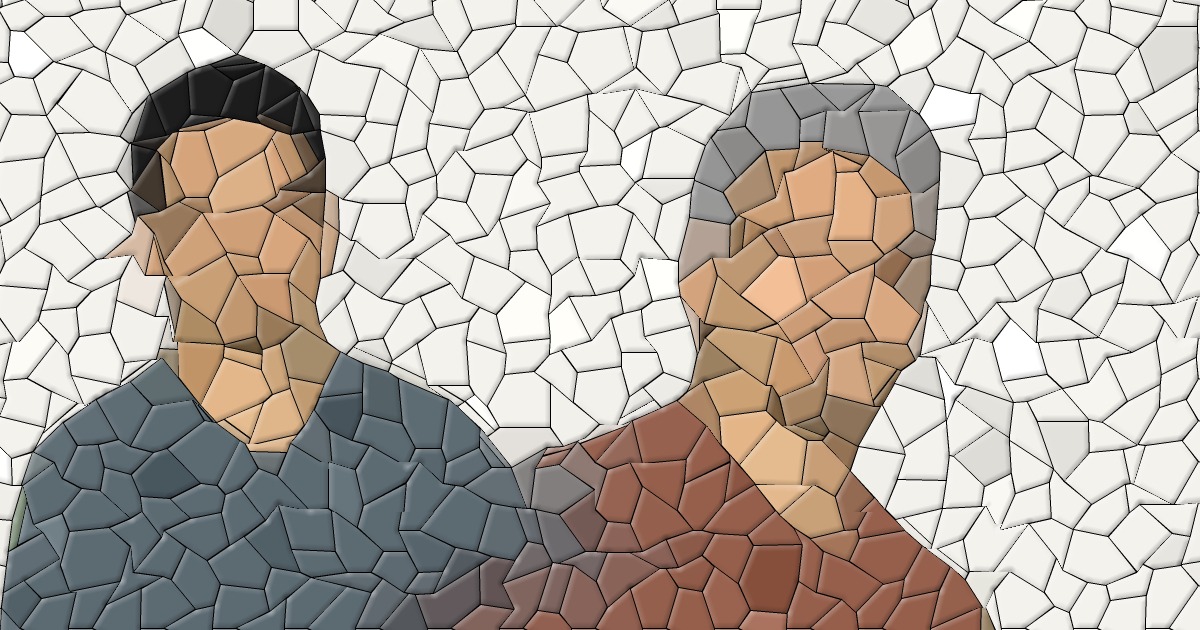
The “self” is the ultimate relic.
Parts of you survive, and parts of you emerge. Parts of you change. And some parts of you that once existed you can’t remember.
You become someone different as you live longer, but some of the things you learned in childhood still affect you. Some of those things are a part of you still. But then there’s the things you can’t remember. Maybe it’s trauma, or maybe it’s been too long. Maybe those memories might resurface one day, but you haven’t thought of them in ages. Those memories and experiences still affect you to the present day. You cannot unlive the past. You carry habits and behaviors, ticks and fears, and attractions and joys that feel natural to you, even if they were the effect of experiences in the past.
Fragmentation is a miscommunication because a symbol needs two people to recognize its meaning. And sometimes the two people are both you—just at different times in life. Maybe you wrote a letter to your future self years ago. If you opened that letter today, would you agree with the letter’s expectations of you? What would have changed? Sometimes, people grow and they realize new priorities in life. They find out what’s important to them, and it wasn’t what they expected earlier on in life.
If there was no fragmentation in human consciousness, we would remember too much. We would have too much trauma, too much to think about, and not enough room to grow. As you shed your “self” over time, a new one will emerge. Without that ability, you would not be able to grow, evolve, change, or forget. Some parts of you will fade away. Maybe you are holding onto them.
You know what you need to do. Do not wish to stay the same. Accept uncertainty.

👏🏻
🔥🔥🔥