
Fragmentation, Symbol, and the Limits of Sense
A relic is something that survives its original meaning. It is a piece of what it belonged to. When thinking of fragmentation, the idea of brokenness comes to mind. However, something that doesn’t work still has meaning. It carries on the knowledge that something existed, but it lacks its original context.
It’s good to know that fragmentation is not an imperfection. It’s not a curse. But it does imply miscommunication. A symbol needs at least two people to recognize an object as attached to a meaning—or perhaps, just one person at two different points in time. You could see a symbol at one time and see it differently later on. If you often find meaning in numbers, you may believe certain ones are divine. But as you mature, you realize that searching for meaning manufactures it as well. The symbols fragment. They mean different things to someone at different times in their life.
One interesting thing about fragmentation in art is the fact that it invites questioning. Great works of art needed interpretation to unveil their genius. If an artwork had no fragments, there would be nothing to interpret, and it would not function as art. Too much context can ruin a work’s aesthetic appeal by leaving no questions left to ask. We lean towards things we don’t fully understand.
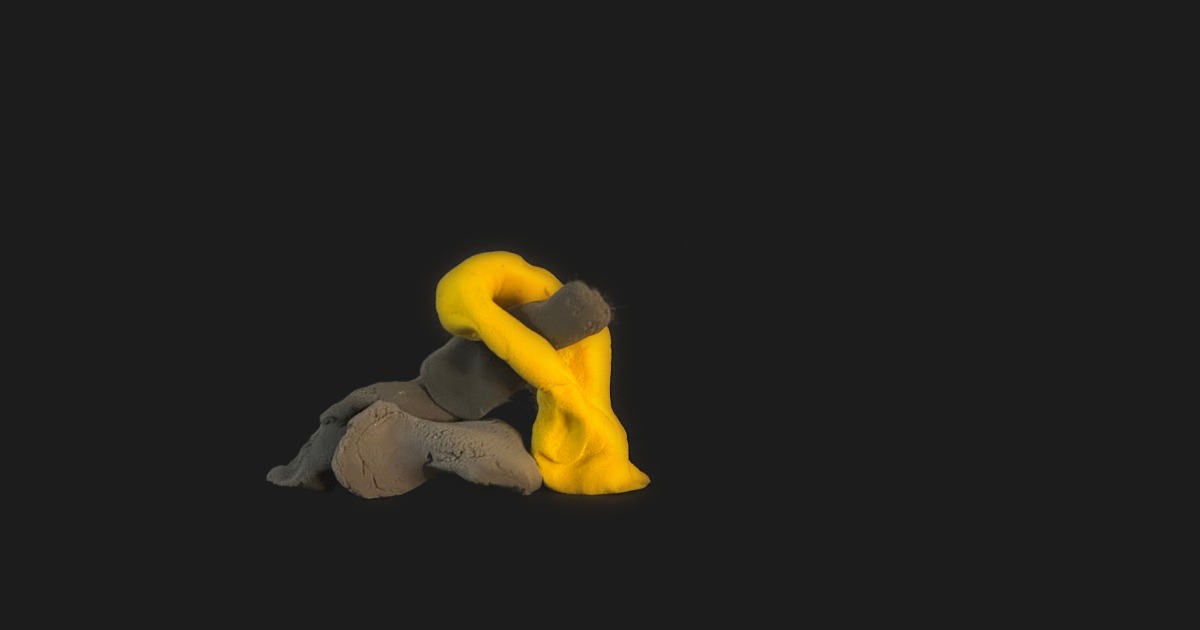
Fragmentation doesn’t destroy meaning, and it doesn’t create it. It is the change of perceptions of a symbol in different contexts. It is the assumption-making that happens when someone doesn’t have all the information. What happens when a person sees the same object repeatedly and believes it is not random, yet there are no connections? They might try to find meaning in the separate contexts around which the symbol appeared, and then things become more complex. An argument is no stronger than its weakest premise.
It may be unwise to even go down this process of thought, but it will be done… eventually.